Planning a Home Remodel? Why You Might Need a Panel Upgrade First
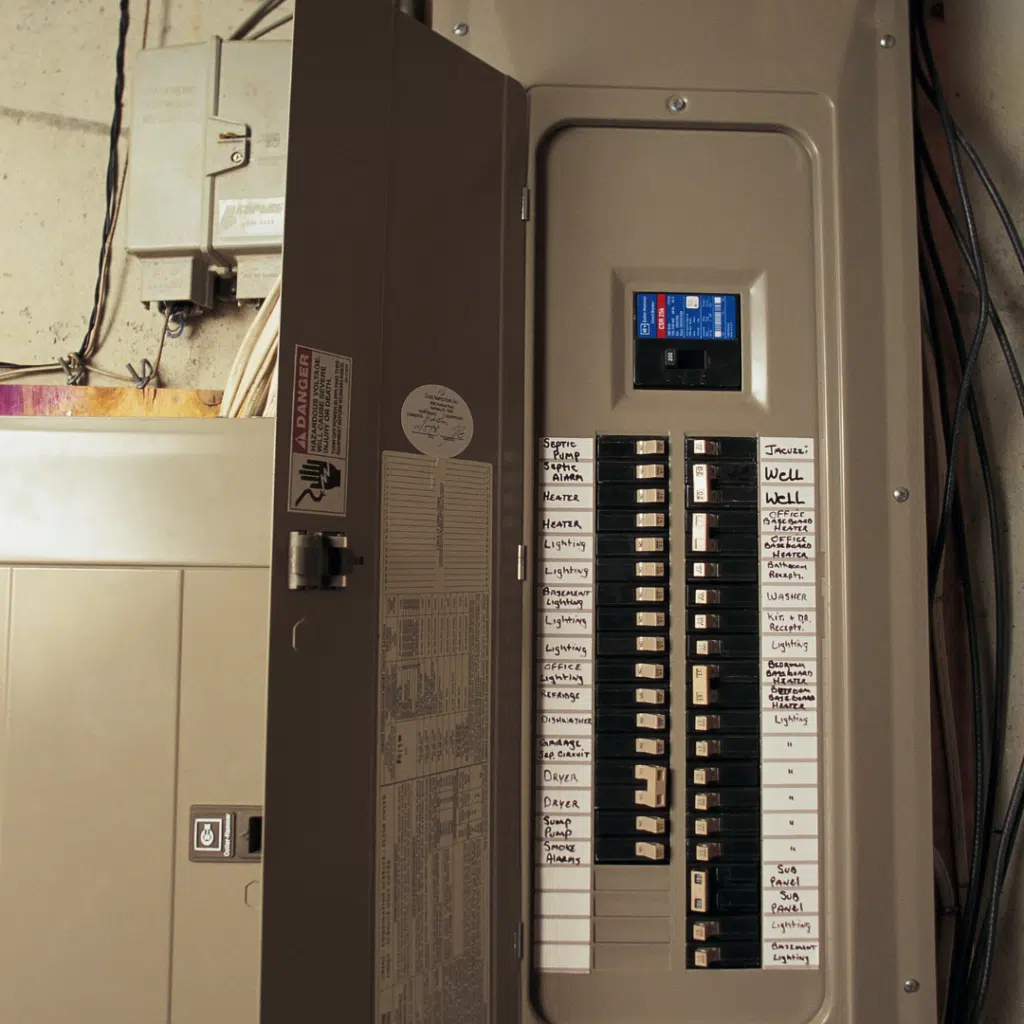
A home remodel is an exciting opportunity to improve comfort, functionality, and value—but before you start picking finishes or knocking down walls, there’s one critical system you shouldn’t overlook: your electrical panel.
Your panel is the foundation of your home’s electrical system, and if it can’t support your renovation plans, you could face delays, safety issues, or costly changes mid-project. For homeowners in Loveland, planning ahead with a professional electrical assessment can make all the difference.
At Anywhere Electric, we help homeowners prepare for remodels the right way, starting with ensuring their electrical system is ready to handle the demand.
Why Your Electrical Panel Matters During a Remodel
Every renovation adds new demand to your home’s electricity usage. Whether you’re upgrading a kitchen, finishing a basement, or adding new lighting, your system must safely distribute that additional power.
An outdated or undersized panel can lead to:
-
Overloaded circuits and frequent circuit breaker trips
-
Inconsistent voltage and flickering lights
-
Limited capacity for new appliances or outlets
-
Code compliance issues during inspections
Upgrading your panel early ensures your remodel runs smoothly and safely from start to finish.
Common Remodeling Projects That Require a Panel Upgrade
Not every project requires a full upgrade, but many do. If your remodel includes any of the following, your electrical service may need to be evaluated:
-
Kitchen Renovations
Modern kitchens demand more energy than ever before. New appliances like ovens, microwaves, dishwashers, and refrigerators all require dedicated circuits and consistent voltage.
-
HVAC and System Upgrades
Adding or upgrading air conditioning, installing a heat pump, or switching to electric systems increases your home’s overall electrical load.
-
Basement Finishing or Additions
Turning an unfinished basement into living space means adding outlets, lighting, and potentially new circuits, all of which require panel capacity.
-
Electric Vehicle Charging
Installing an electric vehicle charging station is one of the most common reasons homeowners upgrade to a 200-amp panel.
-
Smart Home and Technology Integration
Modern homes rely on interconnected systems, from lighting automation to security devices. These upgrades require stable and sufficient power distribution.
Signs Your Panel May Not Support Your Remodel
Before starting your project, watch for these warning signs that your panel may already be at its limit:
-
Frequent breaker trips when using multiple appliances
-
Lights dimming when large equipment turns on
-
Reliance on extension cords or power strips for permanent use
-
An older panel (typically 25+ years old)
-
Limited or no space for additional breakers
If you notice any of these, it’s a strong indicator that a panel upgrade should be part of your renovation plan.
What Happens During an Electrical Panel Upgrade?
A professional electrician will follow a structured process to ensure your system is safe and code-compliant:
Load Calculation – Determine how much electricity your home currently uses and what your remodel will require
Permit & Inspection Coordination – Ensure compliance with local regulations and the National Electrical Code
Panel Replacement – Install a new panel with appropriate amps and modern safety features
Rewiring (if needed) – Update outdated or unsafe electrical wiring
Testing & Final Inspection – Confirm everything operates safely and efficiently
Most panel upgrades can be completed in a day, though permitting and inspections may extend the timeline slightly.
Why Upgrading First Saves Time and Money
Delaying a panel upgrade until after construction begins can create major setbacks. Contractors may be unable to proceed if the electrical system doesn’t pass inspection, leading to delays and additional costs.
Upgrading your panel before remodeling helps:
-
Prevent project interruptions
-
Ensure all new installations meet code
-
Avoid rework or duplicate labor costs
-
Protect new appliances and equipment from overload or damage
It’s a proactive step that keeps your renovation on track.
Safety and Code Compliance Considerations
Modern electrical standards require advanced protection systems that older panels may not support. These include:
-
Arc fault and ground fault protection
-
Proper grounding and bonding
-
Updated breaker technology
Failing to meet these requirements can affect both safety and insurance coverage. A licensed electrician ensures your system is built to current standards and ready for inspection.
Call Anywhere Electric Before You Start Your Remodel
If you’re planning a home renovation in Loveland, don’t wait until electrical issues slow you down. Anywhere Electric provides expert panel evaluations, upgrades, and full electrical services to support your project from the ground up.
Our licensed electricians handle everything from load calculations to permitting, so you can move forward with confidence.
Contact Anywhere Electric today to schedule your electrical panel assessment and make sure your remodel starts on the right foundation.
FAQ: Electrical Panel Upgrades for Remodels
Q1.Do all remodels require a panel upgrade?
Not always, but many do—especially if you’re adding appliances, increasing square footage, or upgrading major systems.
Q2.What size panel does a modern home need?
Most homes today require at least a 200-amp panel to safely support modern energy demands.
Q3.Can I upgrade my panel after the remodel starts?
Yes, but it can delay your project and increase costs. It’s best to address electrical capacity before construction begins.
Q4.Will a panel upgrade increase my home’s value?
Yes. A modern electrical system improves safety, efficiency, and appeal to future buyers.
Q5.How long does a panel upgrade take?
The installation itself is often completed in one day, though permits and inspections may extend the overall timeline.