Most homeowners don’t think much about the electrical system running through their walls until something goes wrong. A breaker that won’t reset, an outlet that sparks, lights that flicker for no clear reason. By the time problems show up, they’ve often been developing quietly for months or even years. That’s exactly why regular electrical inspections matter so much.
A professional inspection from a licensed electrician gives you a clear picture of what’s happening inside your electrical system before small issues turn into expensive repairs or dangerous hazards. At Anywhere Electric, we’ve inspected homes and properties across Loveland and Northern Colorado for years, and one of the most common questions we hear is simple: how often should this actually be done? The answer depends on a few key factors, but the short version is that every property should be on some kind of regular inspection schedule.
What a Home Electrical Inspection Actually Covers
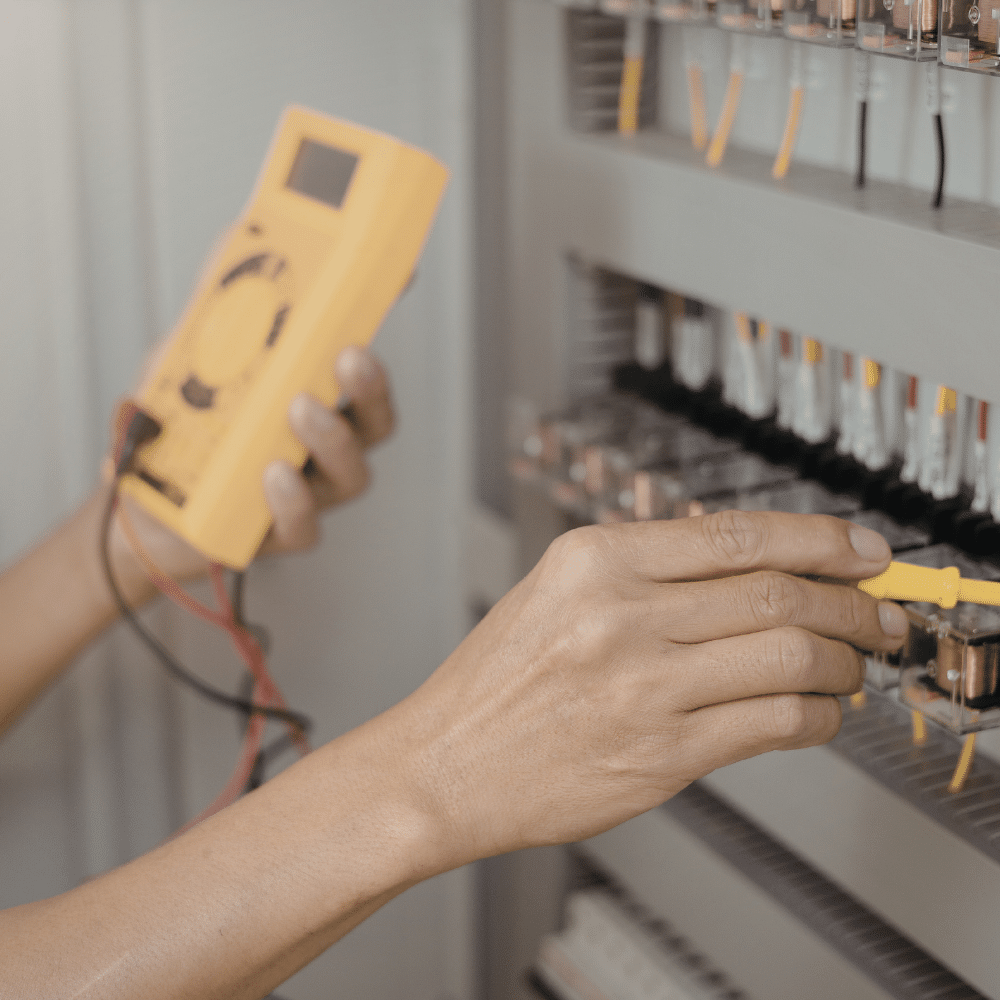
An electrical safety inspection is a top-to-bottom evaluation of your home’s wiring, panel, outlets, switches, and safety devices. A licensed electrician will look at how each component is performing, whether it meets current code, and whether any signs of wear, overheating, or damage are present.
A typical inspection includes a check of your main electrical panel and breakers, visible wiring throughout the home, grounding and bonding, GFCI and AFCI protection, outlets and switches, light fixtures, smoke detectors, carbon monoxide detectors, and any major appliance connections. The electrician will also verify that work meets the latest National Electrical Code (NEC) and note anything that should be repaired, upgraded, or monitored over time.
How Often Should You Schedule an Electrical Inspection?
There isn’t a single rule that fits every property, but there are clear guidelines based on the age of your home, how it’s used, and what’s been added or changed over the years.
Every 3 to 5 Years for Most Modern Homes
If your home was built within the last 30 years and hasn’t had any major remodeling, an inspection every three to five years is usually sufficient. This cadence helps catch slow-developing issues like loose connections, worn outlets, and degraded wiring insulation before they become safety hazards.
Every 1 to 2 Years for Older Homes
Homes built before 1985 deserve a closer eye. Older wiring methods such as knob-and-tube, aluminum branch wiring, and ungrounded two-prong outlets often weren’t designed to handle the electrical loads of modern households. If your home is over 40 years old or you don’t know when the wiring was last updated, an annual or biennial inspection is the safest approach.
After Buying or Before Selling a Property
A pre-purchase electrical inspection is one of the smartest investments a homebuyer can make. Standard home inspections rarely go deep into the electrical system, so a dedicated evaluation by a licensed electrician can uncover issues that would otherwise be missed. Sellers benefit too, since fixing problems before listing helps avoid surprise negotiations later.
After Major Renovations or New Installations
Any time significant load is added to your electrical system, an inspection should follow. This includes installing an EV charger, adding a hot tub or pool equipment, upgrading to a heat pump, finishing a basement, or completing a kitchen remodel. New circuits and increased demand can stress an existing panel, and an inspection confirms that everything is properly sized and safely installed.
After Storms, Surges, or Outages
Colorado storms can be hard on residential electrical systems. A nearby lightning strike, downed power line, or large surge from the utility can damage breakers, wiring, and grounding paths without leaving obvious signs. If you’ve had a major electrical event recently, a quick inspection brings peace of mind.
For Rental Properties and Commercial Buildings
Landlords and property managers should schedule inspections at least once every two years, and ideally between tenants. Commercial properties typically follow stricter schedules based on insurance requirements and local code, often annually.
Warning Signs That You Shouldn’t Wait
Sometimes your electrical system tells you it needs attention before the next scheduled inspection. Call a licensed electrician promptly if you notice any of the following:
- Breakers that trip frequently or won’t reset
- Flickering or dimming lights throughout the home
- Burning smells, scorch marks, or warm outlets and switch plates
- Buzzing sounds from the panel, outlets, or fixtures
- Mild shocks when plugging in devices
- Two-prong ungrounded outlets in older rooms
- A fuse box instead of a modern breaker panel
- Smoke or carbon monoxide detectors that behave erratically
Each of these symptoms can point to wiring damage, loose connections, or an overloaded system that needs a professional evaluation right away.
Why Inspections Are Worth Every Penny
A thorough inspection does more than catch problems. It protects your family, your property, and your wallet over the long term.
First and foremost, inspections help prevent electrical fires. According to the Electrical Safety Foundation International, electrical malfunctions are responsible for tens of thousands of home fires in the United States each year, and many of those are preventable with routine professional evaluation.
Inspections also help with energy efficiency. Loose connections, undersized wiring, and aging panels can quietly waste electricity and drive up your monthly utility bills. Bringing your system up to date often pays for itself over time.
Finally, inspections protect your home’s value and your insurance coverage. Many insurance providers ask about the age and condition of your electrical system when issuing or renewing a policy, and documented inspections can make a real difference if a claim is ever filed.
Always Choose a Licensed Electrician
Electrical inspections should only be performed by a licensed, insured electrician. Working with an unqualified contractor or attempting a DIY assessment can miss critical issues hidden behind walls, in attics, or inside the panel itself. A licensed professional has the training, tools, and experience to identify problems that an untrained eye would never catch, and the documentation they provide carries real weight with insurance companies and future buyers.
Frequently Asked Questions About Electrical Inspections
How long does an electrical inspection take?
Most residential inspections take one to two hours, depending on the size of the home and the complexity of the electrical system. Older homes or properties with finished basements, detached garages, and additional structures may take longer.
Is an electrical inspection the same as a home inspection?
No. A general home inspection touches on the electrical system but doesn’t go deep. A dedicated electrical inspection is performed by a licensed electrician who specifically evaluates the wiring, panel, grounding, and safety devices. If electrical concerns are flagged during a home inspection, a separate electrical evaluation is almost always recommended.
Do I need an inspection if my home is brand new?
New construction is inspected during the build, but a follow-up inspection after the first year or two can confirm that nothing has loosened or shifted as the home settled. It also gives you a baseline for future reference.
What happens if my home doesn’t pass inspection?
A failed inspection isn’t a disaster. The electrician will provide a written report explaining what needs to be repaired or upgraded, along with recommendations and an estimate. You can then prioritize the work based on safety, cost, and code requirements.
Will an inspection lower my insurance rates?
In some cases, yes. Many insurance carriers offer better rates for homes with updated electrical systems and documented inspections, especially older properties that have been upgraded. It’s worth checking with your insurance provider after your inspection is complete.
How much does an electrical inspection cost in Loveland?
Costs vary based on the size and age of the home, but most residential inspections are affordable, especially compared to the cost of repairing damage from an undetected electrical issue. Anywhere Electric provides upfront pricing so you know exactly what to expect before any work begins.
Schedule Your Electrical Inspection with Anywhere Electric
Your electrical system is one of the most important and most overlooked parts of your home. Regular inspections give you confidence that everything is working safely, efficiently, and up to code, and they help you avoid the kind of surprises no homeowner wants to deal with.
The team at Anywhere Electric brings years of hands-on experience to every inspection we perform in Loveland and the surrounding communities. We take the time to explain what we find, answer your questions honestly, and recommend only the work that genuinely needs to be done. No pressure, no upselling, just straightforward service from licensed professionals who care about your safety.
Ready to schedule your home electrical inspection? Contact Anywhere Electric today to book your appointment with a licensed Loveland electrician and keep your home safe, efficient, and protected for years to come.